1. Inspect for Visible Damage — Safely
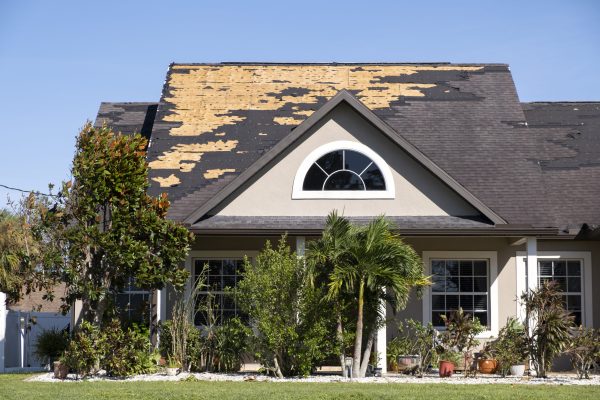
As soon as the storm has passed and it's safe, walk around your home to look for visible signs of damage. Use binoculars if necessary — don’t climb onto the roof yourself.
Signs of storm damage to look for:
-Missing or lifted shingles
-Cracked or dented shingles from hail
-Exposed underlayment or roof deck
-Damaged flashing or vents
-Debris (like branches) on the roof or gutters
_Water leaks or ceiling stains inside your home.
2. Take Photos of the Damage
Before cleaning anything up, document the damage. Take clear, detailed photos from multiple angles — both outside and inside your home. This evidence will help support your insurance claim and show the full extent of the damage.
3. Call a Local Roofing Professional for a Free Inspection
Contact a licensed and insured roofing contractor — like 901 Roofing Renovations LLC — to perform a free storm damage inspection. We’ll assess both visible and hidden damage that you might miss, and we’ll give you a detailed report with photos and recommendations.
Avoid storm chasers or out-of-state contractors who offer quick fixes without credentials.
4. Prevent Further Damage with Emergency Tarping
If your roof is leaking or significantly damaged, emergency roof tarping is essential. A tarp helps prevent water from entering your home and causing more interior damage.
At 901 Roofing Renovations, we offer same-day roof tarping to secure your property until permanent repairs are completed.
5. Start Your Insurance Claim – We’ll Help You
Storm damage is often covered by your homeowner’s insurance policy — but navigating the claim process can be confusing.
That’s why we offer full insurance claims assistance:
-Help you file the claim
-Meet with your insurance adjuster
-Provide inspection reports and estimates
-Ensure nothing gets overlooked
-Complete all approved repairs.
6. Schedule Repairs or Roof Replacement Quickly
Once your claim is approved, schedule repairs ASAP. Waiting too long can:
-Lead to more damage
-Jeopardize your insurance coverage
-Create safety risks for your family
At 901 Roofing Renovations LLC, we use high-quality materials, follow strict local building codes, and deliver fast turnaround times for storm-related repairs and replacements.
1. Fewer Leaks & Better Protection
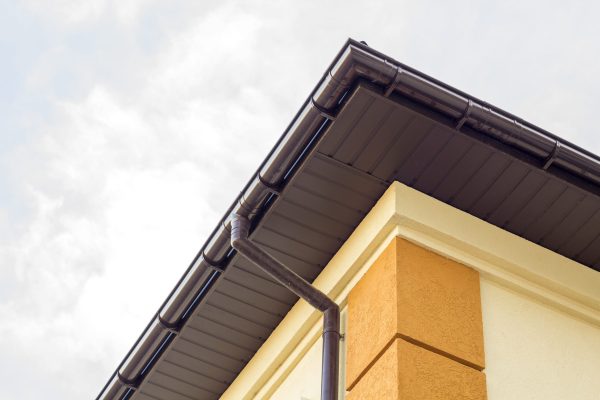
Seamless gutters are made from one continuous piece of metal, custom-cut to fit your home. Because they don’t have joints or seams every few feet, there are fewer weak points where leaks can occur.
This reduces:
-Water damage to fascia boards
-Soil erosion near your foundation
-Basement leaks
-Mold and mildew issues.
2. Custom Fit for Your Home
Seamless gutters are measured and manufactured on-site for a perfect fit. This means:
-Cleaner look
-More precise water flow
-Better protection for roof edges and siding.
Unlike store-bought sectional systems, there’s no guessing — just precision and performance.
3. Low Maintenance
Thanks to fewer joints and a smoother interior, debris is less likely to build up inside seamless gutters. That means:
-Fewer clogs
-Easier cleaning
-Less chance of overflow
Pair them with gutter guards, and you’ll cut your maintenance down even more.
4. Longer Lifespan
Seamless gutters are typically made from durable materials like aluminum or copper, and they’re less likely to rust, warp, or pull apart. With proper care, they can last 20+ years.
5. Boosts Curb Appeal
Seamless gutters have a sleek, streamlined appearance that blends beautifully with any home’s architecture. They’re available in various colors and finishes to match your siding, roof, or trim.
Visual upgrades include:
-Hidden hangers
-No unsightly seams
-Clean corners and edges.
6. Adds Value to Your Property
Upgrading to seamless gutters is a smart move when you're thinking long-term. They're seen as a premium exterior feature and can:
-Increase resale value
-Help pass home inspections
-Attract buyers looking for low-maintenance homes
Step 1: Check for Signs of Storm Damage
After a major storm (wind, hail, tornado, or heavy rain), inspect your home safely. Walk around the exterior and look for:
-Missing, cracked, or lifted shingles
-Dents in metal flashing, vents, or gutters (from hail)
-Leaks or stains on interior ceilings
-Damaged siding or gutters
-Debris or branches on the roof
Take photos of any visible damage — these will help later when you file your claim.
Step 2: Call a Trusted Local Roofing Contractor
Before calling your insurance company, contact a licensed roofing contractor for a professional inspection. At 901 Roofing Renovations LLC, we offer free roof inspections to assess the damage and determine if it qualifies for an insurance claim.
We’ll:
-Identify all damage (even the stuff you may miss)
-Take detailed photos and notes
-Prepare a written report and repair estimate
-Meet with your adjuster if needed.
Step 3: Review Your Insurance Policy
Look over your homeowner's insurance policy. Most policies do cover storm-related roof damage, but coverage varies.
Check for:
-Deductible amount
-Coverage limits
-Exclusions (age of roof, type of damage)
-Deadlines for filing
Step 4: File the Claim with Your Insurance Company
Contact your insurance company to start your claim. You can usually file:
-Online via your insurer’s website
-By calling your claims department directly
They’ll ask for:
-Your policy number
-Date and cause of damage
-Photos or evidence
-Description of what happened
Once the claim is filed, they’ll schedule an adjuster to visit your property.
Step 5: Meet with the Insurance Adjuster (We’ll Join You)
An insurance adjuster will visit your property to inspect the damage. It’s critical that your roofing contractor is present during this inspection to:
-Point out all areas of damage
-Ensure nothing is missed or downplayed
-Provide supporting documentation
-Discuss the repair scope and cost.
Step 6: Get Approved and Start the Work
Once the claim is approved:
-You’ll receive a breakdown of what’s covered and a check for the initial portion.
-We’ll review it with you to ensure it's fair and accurate.
-We schedule your roof repair or replacement and get to work.
We handle everything — from permits to final inspection — and even help submit completion documents to your insurer.